

Hook and Loop vs. Velcro Patches: Why High-Quality Morale Patches Don't Fall Off
Feb 24, 2026
You're two hours into a ruck when you reach back to adjust your pack and notice something's missing. That morale patch you attached this morning? Gone. Probably lying in the dirt three miles back.
That's the tax you pay for cheap hook and loop.
Here's the thing most people don't know: Velcro and hook-and-loop are the same damn thing. Velcro is just the brand name that stuck around, like Kleenex or Band-Aid. But not all hook and loop is created equal. The difference between a tactical morale patch that stays put and one that ends up in a parking lot somewhere comes down to materials, construction, and whether the manufacturer gives a shit about quality.
Let's talk about why your patches keep falling off: and why ours don't.
The Mechanics of Not Losing Your Gear
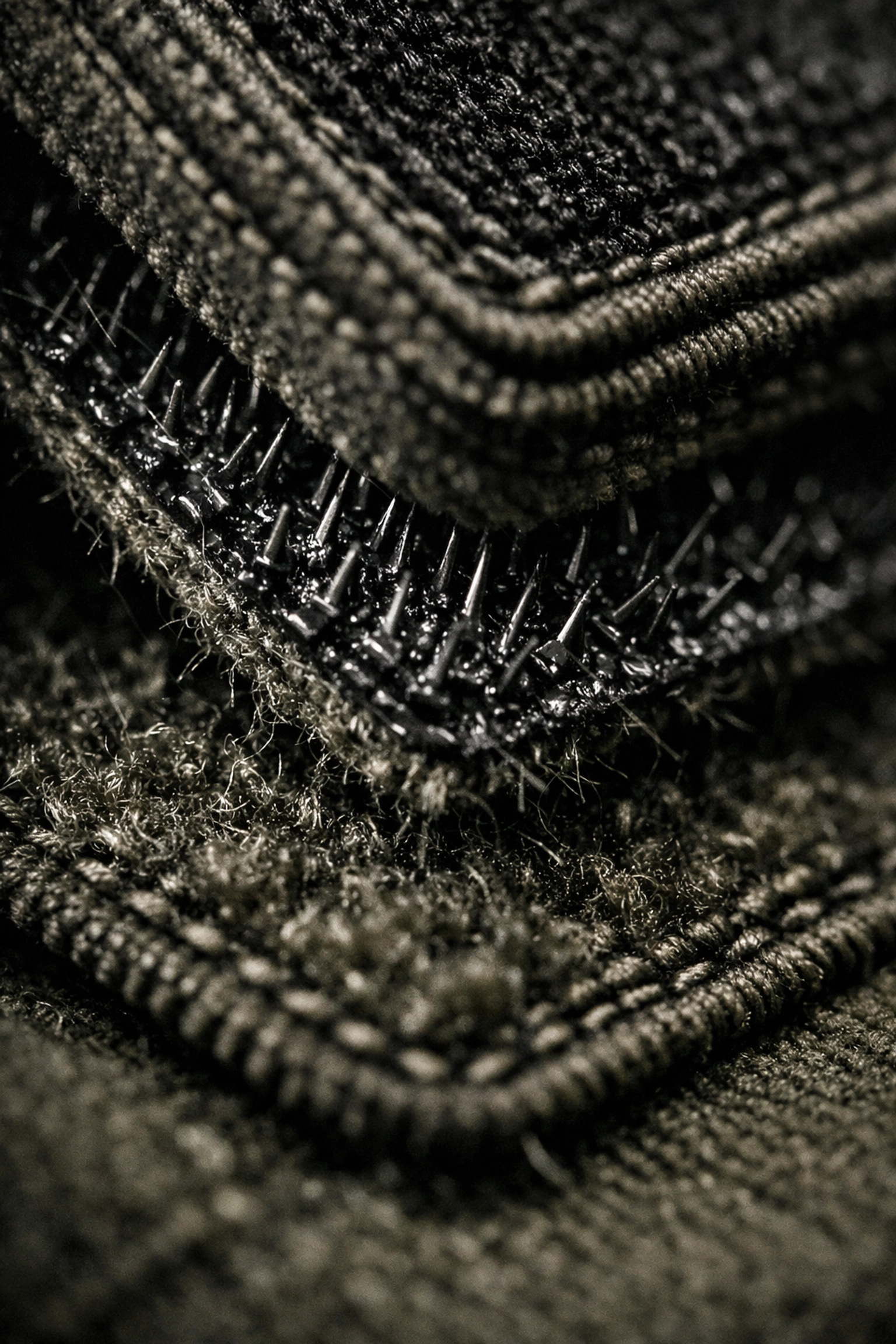
Hook and loop works through mechanical interlocking. The hook side has thousands of tiny, stiff hooks. The loop side is soft and fuzzy, made of loops that the hooks grab onto. When you press them together, those hooks dig into the loops and hold. Simple physics. No adhesive, no magic: just good engineering.
The problem starts when manufacturers cut corners.
Cheap hook and loop uses thinner materials, fewer hooks per square inch, and weaker backing. Those hooks wear down fast. The loops get matted and lose their structure. Before you know it, you're pressing harder and harder to get anything to stick, and it still falls off when you move.
High-quality hook and loop uses denser materials: usually nylon, which is more durable than polyester alternatives. The hooks are stiffer and more numerous. The loops maintain their structure through repeated use. This isn't theory. This is what keeps military morale patches attached to gear in the field.
Why Nylon Beats Everything Else
Material choice matters more than most people realize.
Nylon-based hook and loop is the gold standard. It's stronger, more resistant to wear, and holds up in conditions that would trash cheaper alternatives. Polyester is lighter and costs less, which is why you see it on bargain bin patches that fall apart after a few weeks.
We use nylon because it works. Period.
When you're attaching a tactical morale patch to your plate carrier or pack, you need something that's going to hold through movement, sweat, dirt, and whatever else you're putting it through. Polyester hook and loop might be fine for a kids' backpack. It's weak shit for tactical gear.
The backing matters too. Some manufacturers use adhesive backing only, which seems convenient until that adhesive fails. The best approach is sewing the loop side directly onto the fabric. That creates a permanent, stable base. The hook side on your patch can still be removed and reattached as many times as you need without damaging anything.
The Fabric Factor
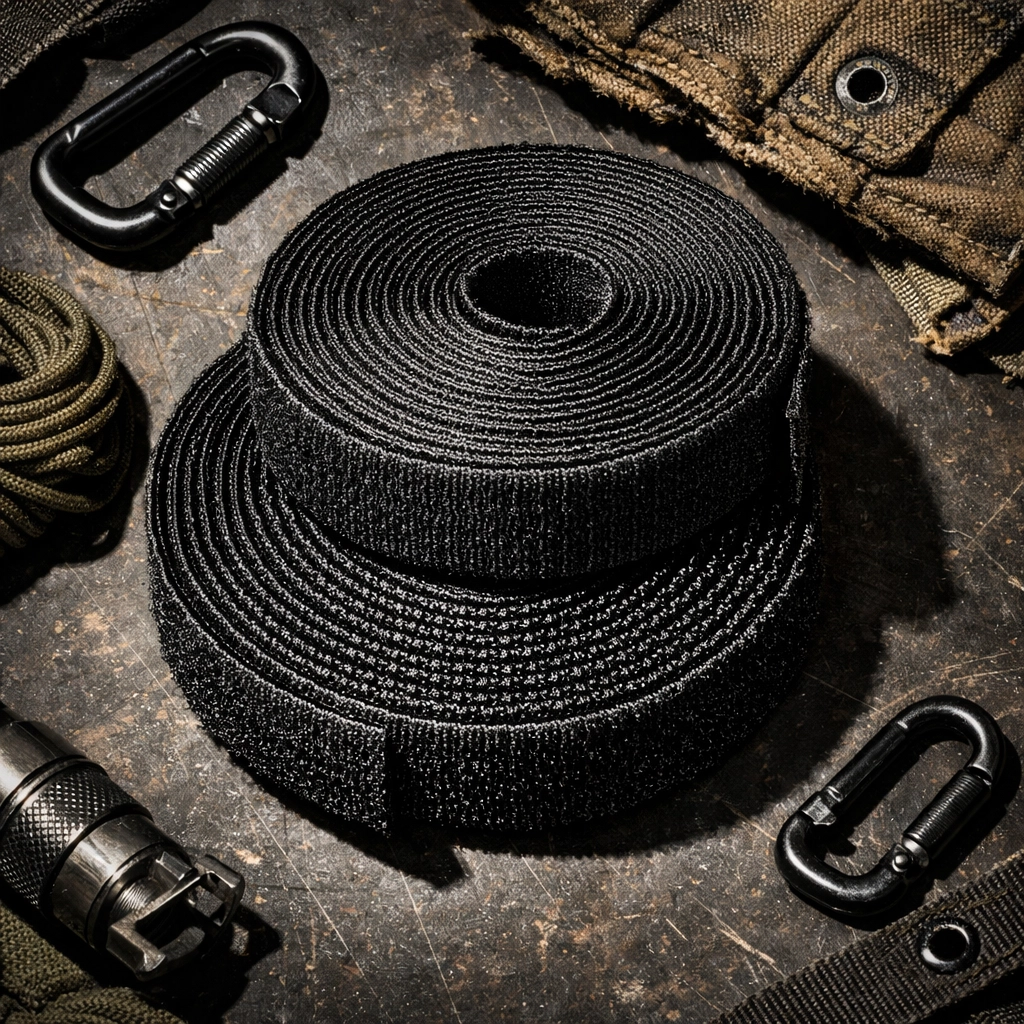
Not all fabrics play nice with hook and loop.
Tightly woven fabrics like nylon, canvas, and denim provide the best surface for hook and loop to grip. The weave is tight enough that the hooks can really dig in without sliding around. Loose weaves or stretchy materials? That's where you start having problems.
This is why you see hook and loop panels sewn onto plate carriers, packs, and tactical clothing. It's not just about having a place to attach patches: it's about creating the right surface for a secure hold.
When we design gear at Thirty Seconds Out, we think about where patches are going and what they're attaching to. If the fabric isn't up to the job, neither is the patch system.
Durability and What Actually Lasts
High-quality hook and loop can last one to three years with proper care. That's not a marketing claim: that's what happens when you use the right materials and don't cheap out on construction.
The hook side takes the most abuse. It collects lint, dirt, and debris that interferes with the grip. If you're not maintaining it, even good hook and loop will eventually fail. Take a small brush: a toothbrush works fine: and clean out those hooks regularly. Thirty seconds of maintenance extends the life of your patches by months.
The loop side is more forgiving, but it's not indestructible. Repeated attachment and removal will eventually wear down the loops. They'll get matted and lose their structure. That's physics. But quality materials delay that wear significantly.
What We Do Differently
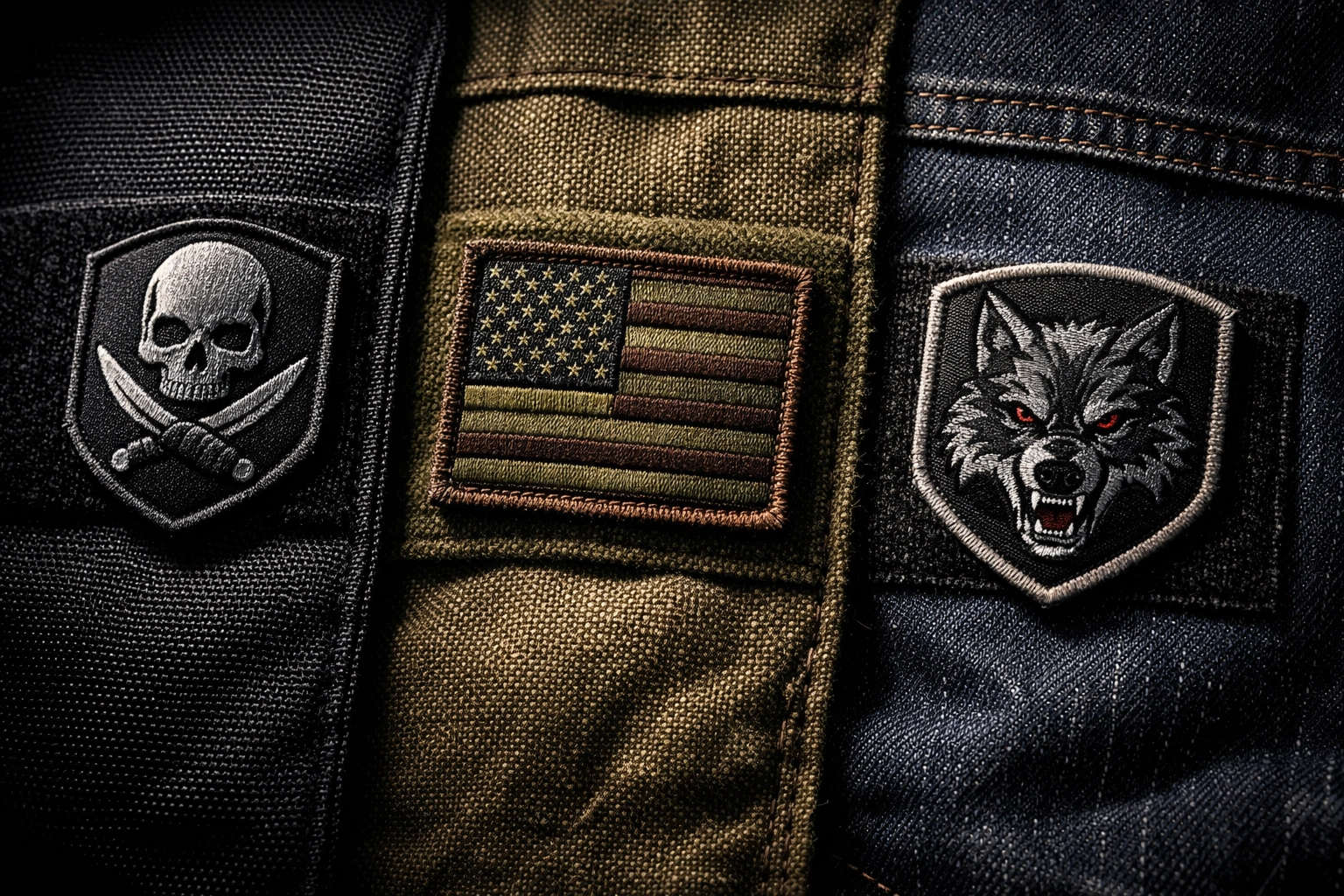
At Thirty Seconds Out, we don't sell patches that fall off.
Our morale patches use high-grade nylon hook and loop because that's what actually works in the field. We test them on real gear, not just lab samples. We attach them, move with them, and see what fails. Then we fix it.
This isn't complicated. Use quality materials. Don't cut corners. Build something that lasts.
Most of the military morale patches you see out there are manufactured by companies that have never put gear through real use. They spec the cheapest materials, maximize margin, and ship it. When those patches start falling off, they've already moved on to the next product line.
We're not doing that.
Every tactical morale patch we produce is built to the same standard as the gear we'd carry ourselves. If it's not good enough for us, it's not going on the site.
The Maintenance Game
Even the best hook and loop needs some attention.
Remove your patches before washing gear when possible. The washing machine beats them up: the agitation, the heat, the friction with other items. It's survivable, but it accelerates wear. If you can take them off, do it.
Clean the hook side regularly. Debris is the enemy. Those tiny hooks catch everything, and once they're clogged, they can't grip properly. A quick brush-out every few weeks keeps them functional.
Don't over-stress the attachment. Press firmly when you attach the patch, but you don't need to mash it like you're trying to fuse metal. Good hook and loop grabs with normal pressure. If you're having to press hard, something's already worn out.
What Cheap Means in the Long Run
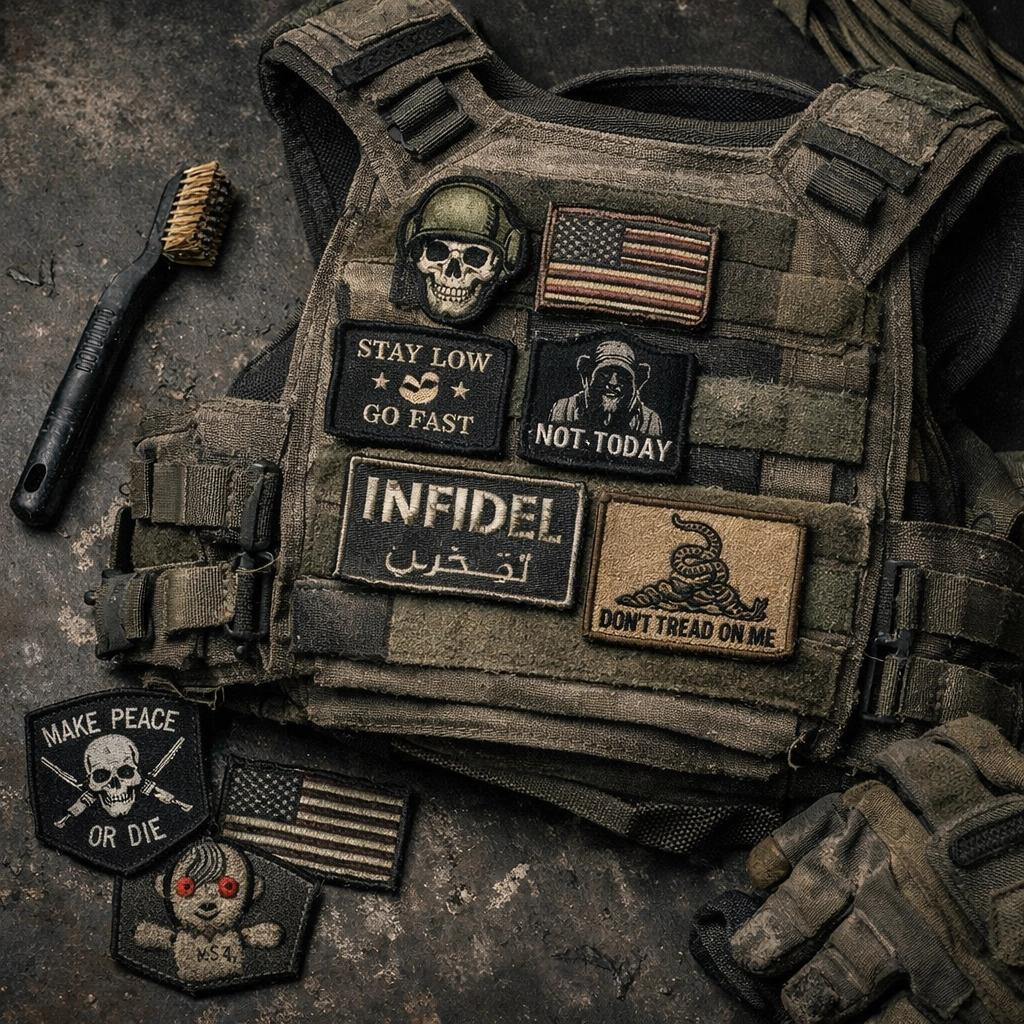
You can buy a morale patch for three dollars online. It'll probably fall off in a week. Then you'll buy another one. And another one after that.
Or you can buy one that costs a bit more and lasts years.
The math isn't complicated.
Cheap hook and loop is a false economy. You end up spending more money replacing patches that don't hold, and you lose the ones that fall off in places you can't recover them. That adds up fast.
Quality costs more upfront because quality materials cost more. Nylon is more expensive than polyester. Dense hook and loop with more hooks per square inch costs more to produce. Proper construction takes more time.
But you buy it once.
That's the deal. Pay for something that works, or keep paying for things that don't.
Why This Matters
Morale patches aren't just decoration. They're identifiers, unit markers, conversation starters, and reminders of what matters. When they fall off, you lose that connection.
We've heard from guys who lost patches that meant something: unit insignia, memorial patches, inside jokes that can't be replaced. That sucks. It's preventable.
At Thirty Seconds Out, we build military morale patches that stay attached because we understand what they represent. This isn't fashion. It's identity.
Hook and loop is simple technology, but the execution matters. Use the right materials. Build it properly. Don't cut corners.
That's how you make patches that don't fall off.
That's how you build gear people can trust.
And that's what we do.

